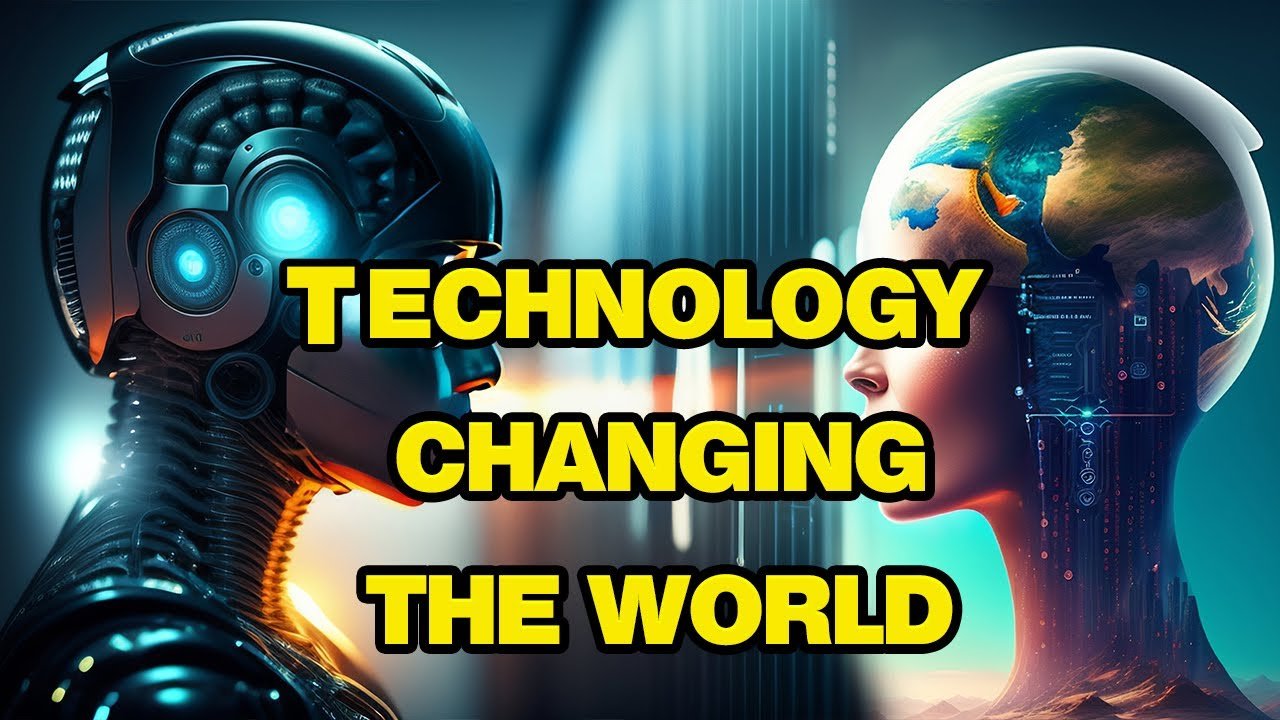

Technology is evolving faster than ever before, transforming how we live, work, and interact with the world. From artificial intelligence to smart devices, modern innovations are redefining industries and creating new opportunities for individuals and businesses alike. Staying updated with emerging tech trends is no longer optional—it’s essential.
In this article, we’ll explore the top tech trends that will shape the future, explain how they work, and discuss why they matter. Whether you’re a tech enthusiast, developer, entrepreneur, or casual user, these trends will have a significant impact on your digital life.
1. Artificial Intelligence (AI) and Machine Learning
Artificial Intelligence (AI) continues to dominate the technology landscape. AI-powered systems are becoming smarter, faster, and more efficient thanks to machine learning algorithms and large data sets.
Why AI Matters:
- Automates repetitive tasks
- Improves decision-making
- Enhances customer experience
- Boosts productivity across industries
AI is already being used in chatbots, voice assistants, image recognition, fraud detection, and recommendation systems. In the future, AI will play a major role in healthcare diagnostics, personalized education, smart cities, and autonomous systems.
SEO Tip: AI tools and AI apps are among the most searched tech topics globally.
2. Internet of Things (IoT)
The Internet of Things (IoT) connects everyday devices to the internet, allowing them to collect and exchange data. Smart homes, wearable devices, and connected cars are all examples of IoT technology.
Key Benefits of IoT:
- Real-time data monitoring
- Improved efficiency
- Better energy management
- Enhanced security
In the coming years, IoT will expand into smart healthcare, agriculture, transportation, and industrial automation, making systems more intelligent and responsive.
3. 5G and Advanced Connectivity
5G technology is revolutionizing mobile connectivity by offering ultra-fast speeds, low latency, and improved network reliability.
How 5G Will Shape the Future:
- Faster downloads and streaming
- Better mobile gaming experience
- Growth of smart cities
- Support for AR, VR, and IoT
With 5G, technologies like autonomous vehicles and remote surgeries will become more practical and reliable.
4. Blockchain Technology
Blockchain is more than just cryptocurrency. It is a secure and transparent system for recording transactions across multiple computers.
Blockchain Use Cases:
- Secure digital payments
- Supply chain management
- Data protection
- Smart contracts
As trust and transparency become critical in digital systems, blockchain will be adopted across finance, healthcare, gaming, and digital identity management.
5. Augmented Reality (AR) and Virtual Reality (VR)
AR and VR are reshaping entertainment, education, and business experiences.
- Augmented Reality (AR) overlays digital elements onto the real world.
- Virtual Reality (VR) creates immersive virtual environments.
Future Applications:
- Virtual training and education
- Remote collaboration
- Gaming and entertainment
- Online shopping experiences
As hardware becomes more affordable, AR and VR adoption will increase significantly.
6. Cybersecurity and Data Privacy
With the rise of digital platforms, cybersecurity has become a top priority. As more data is shared online, protecting user information is critical.
Cybersecurity Trends:
- AI-powered security systems
- Biometric authentication
- Zero-trust security models
- Cloud security solutions
Future technologies will focus on stronger encryption, privacy-first design, and proactive threat detection to combat cyberattacks.
7. Cloud Computing and Edge Computing
Cloud computing allows users to store and access data over the internet, while edge computing processes data closer to the source.
Why It’s Important:
- Faster data processing
- Reduced latency
- Cost-effective storage
- Scalability for businesses
The combination of cloud and edge computing will power AI systems, IoT networks, and real-time applications.
8. Green Technology and Sustainable Innovation
Technology is playing a key role in fighting climate change. Green tech focuses on reducing environmental impact and promoting sustainability.
Examples of Green Tech:
- Renewable energy solutions
- Energy-efficient devices
- Electric vehicles
- Smart power grids
Future innovations will aim to balance technological growth with environmental responsibility.
9. Automation and Robotics
Automation is transforming industries by replacing manual tasks with intelligent machines and robots.
Areas Impacted by Automation:
- Manufacturing
- Healthcare
- Logistics
- Customer support
Robotics and automation will increase efficiency, reduce human error, and create new job opportunities in tech-driven roles.
10. Mobile App Innovation
Mobile apps continue to evolve with better performance, AI integration, and enhanced user experiences.
Mobile Tech Trends:
- AI-powered apps
- Super apps
- Cross-platform development
- Improved app security
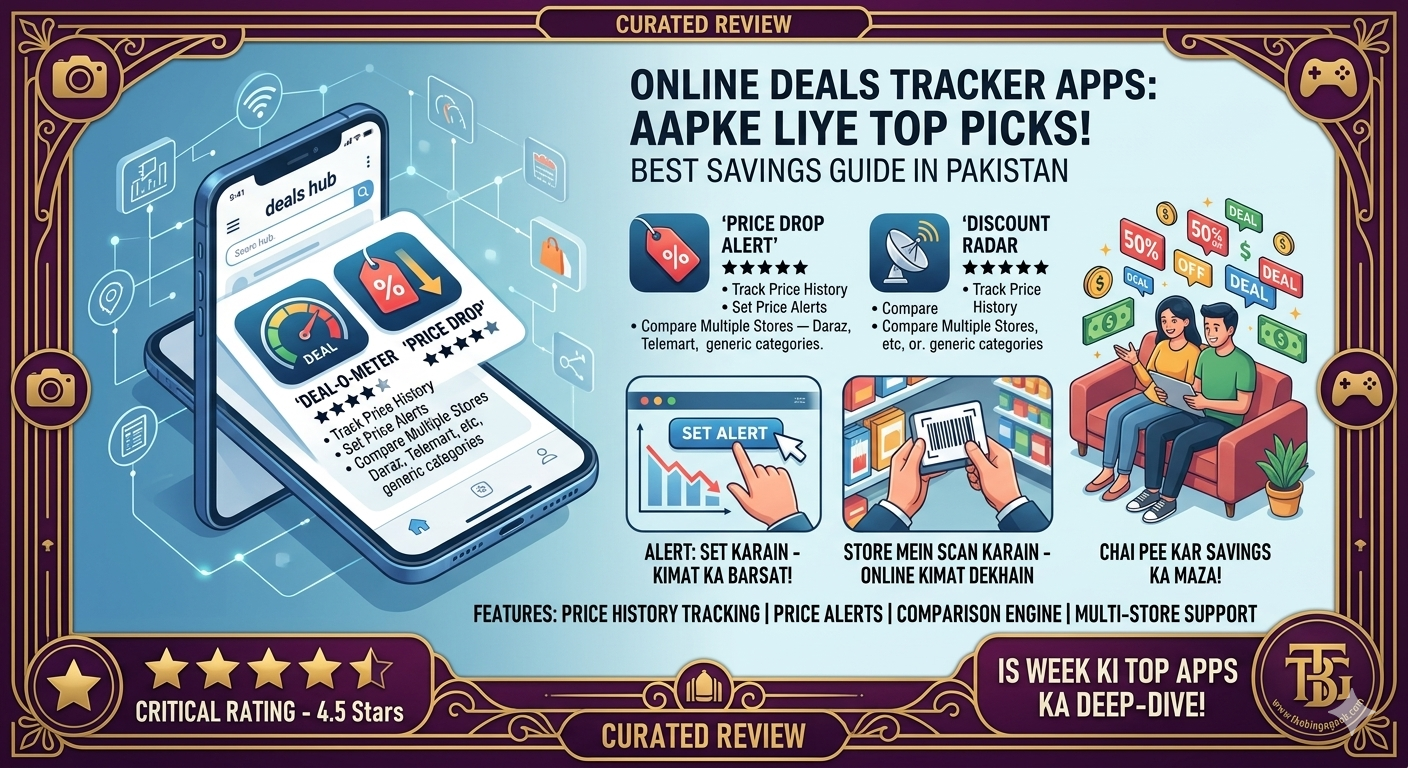
Websites like apk4r.org play an important role in helping users discover the latest apps, tools, and mobile technologies.
Final Thoughts
The future of technology is exciting, dynamic, and full of possibilities. From AI and 5G to blockchain and green tech, these innovations will redefine how we live and work. Staying informed about emerging tech trends helps individuals and businesses stay competitive in a rapidly changing digital world.
As technology continues to advance, embracing innovation and adapting to change will be the key to success.
FAQs
Q1: Why are tech trends important?
Tech trends help predict future innovations and prepare individuals and businesses for upcoming changes.
Q2: Which tech trend is growing the fastest?
Artificial Intelligence and 5G are currently among the fastest-growing technologies.
Q3: How can I stay updated with tech trends?
Follow reliable tech websites like apk4r.org, tech blogs, and industry news platforms.