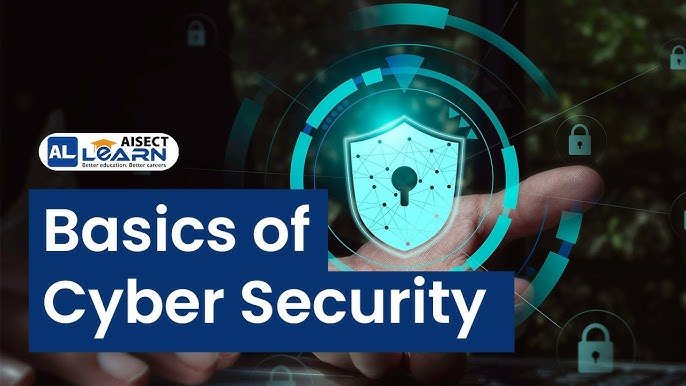

In today’s digital world, staying connected to the internet has become a daily necessity. From online banking and shopping to social media and mobile apps, we rely on the internet for almost everything. However, with this convenience comes a serious risk: cyber threats. Hackers, scammers, and cybercriminals are constantly looking for new ways to steal personal data, money, and identities.
That’s why understanding cybersecurity basics is no longer optional—it’s essential. In this complete guide, we’ll explain what cybersecurity is, common online threats, and practical steps you can take to stay safe online in 2026 and beyond.
What Is Cybersecurity?
Cybersecurity refers to the practice of protecting computers, mobile devices, networks, and data from unauthorized access, attacks, or damage. It involves tools, techniques, and habits that help keep your digital life secure.
Cybersecurity is not only for businesses or IT experts. Everyday users—like students, freelancers, and smartphone users—also need to understand basic online safety.
Why Cybersecurity Is Important
Here are some key reasons why cybersecurity matters:
- Protects personal information (passwords, bank details, photos)
- Prevents financial loss due to online fraud
- Keeps devices safe from viruses and malware
- Protects privacy on social media
- Helps avoid identity theft
Even a single weak password or unsafe click can lead to serious problems.
Common Cyber Threats You Should Know
Understanding threats is the first step toward protection. Below are the most common online dangers.
1. Malware
Malware is malicious software designed to harm your device or steal data. Common types include:
- Viruses
- Trojans
- Spyware
- Ransomware
Malware often spreads through fake apps, email attachments, or unsafe websites.
2. Phishing Attacks
Phishing is a scam where attackers pretend to be trusted companies (like banks or social media platforms) to steal your login details.
Phishing usually happens via:
- Emails
- SMS (Smishing)
- Fake websites
- WhatsApp or social media messages
3. Weak Password Attacks
Hackers use automated tools to guess simple passwords like:
- 123456
- password
- your name or date of birth
Weak passwords make it easy for attackers to break into accounts.
4. Public Wi-Fi Risks
Free public Wi-Fi at cafes, airports, or hotels is often unsecured. Hackers can intercept your data if you connect without protection.
5. Fake Apps and Websites
Downloading apps from unofficial sources or visiting fake websites can expose your device to malware and scams.
Cybersecurity Basics Everyone Should Follow
Let’s explore practical and easy cybersecurity tips you can apply today.
1. Use Strong and Unique Passwords
A strong password is your first line of defense.
Tips for Strong Passwords:
- Use at least 12 characters
- Combine letters, numbers, and symbols
- Avoid personal information
- Use a different password for each account
Example of a Strong Password:
A!9kZ@2026#Safe
👉 Pro Tip: Use a trusted password manager to store passwords safely.
2. Enable Two-Factor Authentication (2FA)
Two-Factor Authentication adds an extra security layer by requiring a second verification step, such as:
- SMS code
- Email verification
- Authentication app (Google Authenticator)
Even if your password is stolen, 2FA can stop hackers from accessing your account.
3. Keep Your Software and Apps Updated
Software updates are not just for new features—they fix security vulnerabilities.
Always update:
- Mobile apps
- Operating system (Android, iOS, Windows)
- Browsers
- Antivirus software
Outdated software is an easy target for hackers.
4. Install Apps Only from Trusted Sources
Always download apps from:
- Google Play Store
- Apple App Store
- Official websites
Avoid mod apps, cracked apps, or unknown APK files, as they often contain hidden malware.
5. Be Careful with Emails and Messages
Before clicking any link:
- Check the sender’s email address
- Look for spelling or grammar mistakes
- Avoid urgent messages like “Your account will be blocked”
Never share:
- OTP codes
- Passwords
- Bank details
6. Use Antivirus and Security Tools
A good antivirus helps protect your device from:
- Malware
- Spyware
- Phishing websites
Choose a reputable antivirus and keep it updated. Many free options provide basic protection.
7. Secure Your Home Wi-Fi Network
Your Wi-Fi router is the gateway to all connected devices.
Wi-Fi Security Tips:
- Change default router username and password
- Use WPA3 or WPA2 encryption
- Hide your network if possible
- Update router firmware regularly
8. Avoid Public Wi-Fi for Sensitive Tasks
Never use public Wi-Fi for:
- Online banking
- Shopping with credit cards
- Logging into important accounts
If necessary, use a VPN (Virtual Private Network) to encrypt your connection.
9. Protect Your Social Media Accounts
Social media platforms contain a lot of personal information.
Social Media Safety Tips:
- Set profiles to private
- Don’t share location publicly
- Accept friend requests carefully
- Avoid oversharing personal details
Cybercriminals often use social media data for scams and identity theft.
10. Backup Your Data Regularly
Data backups protect you from:
- Ransomware attacks
- Device loss
- Accidental deletion
Use:
- Cloud storage
- External hard drives
Always keep at least one backup offline.
Mobile Cybersecurity Tips
Smartphones are more vulnerable than ever.
Mobile Safety Checklist:
- Lock your phone with PIN, password, or biometrics
- Disable Bluetooth when not in use
- Review app permissions
- Avoid clicking unknown ads or pop-ups
Online Shopping Safety Tips
With online shopping growing rapidly, staying alert is crucial.
- Shop only on secure websites (HTTPS)
- Avoid deals that look too good to be true
- Use trusted payment methods
- Never save card details on unknown websites
Cybersecurity for Kids and Families
Parents should educate children about online safety.
Tips for Parents:
- Use parental control apps
- Teach kids not to share personal information
- Monitor screen time and online behavior
- Explain online scams in simple language
Signs Your Device May Be Hacked
Watch out for these warning signs:
- Slow device performance
- Unknown apps installed
- Frequent pop-ups
- Unusual login alerts
- Data usage spikes
If you notice these signs, scan your device immediately and change passwords.
What to Do If You’re a Victim of a Cyber Attack
If you suspect a cyber attack:
- Disconnect from the internet
- Change all passwords
- Run a full security scan
- Contact your bank if financial data is involved
- Report the issue to the platform
Quick action can reduce damage.
Future of Cybersecurity
As technology evolves, cyber threats will become more advanced. AI-powered attacks, deepfakes, and social engineering scams are on the rise. This makes cybersecurity awareness more important than ever.
Staying informed and following basic security practices can protect you from most threats.
Final Thoughts
Cybersecurity doesn’t have to be complicated. By following simple habits like using strong passwords, avoiding suspicious links, and keeping your devices updated, you can stay safe online.
Remember: online safety is a daily habit, not a one-time setup.
At apk4r.org, we are committed to helping users stay informed about technology, apps, and digital security. Stay connected with us for more guides, tips, and updates on cybersecurity and tech trends.
SEO Keywords Used:
Cybersecurity basics, stay safe online, online security tips, protect your data, internet safety, cybersecurity guide, online threats, digital security, mobile security tips