
In today’s digital world, free software has become extremely popular among users who want powerful tools without spending money. From free mobile apps and open-source programs to no-cost AI tools and utilities, free software is everywhere. Websites like apk4r.org help users discover useful free apps, tools, and tech solutions easily.
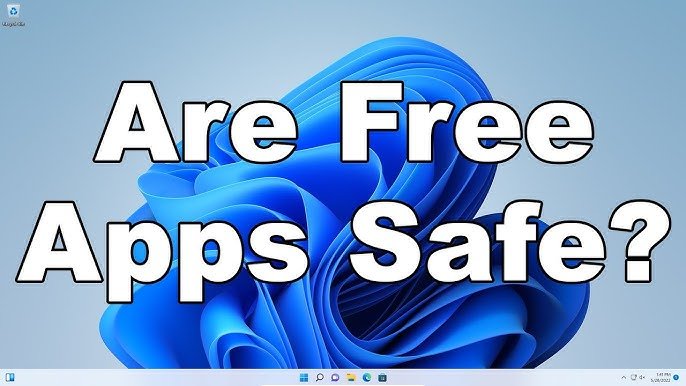
However, while free software offers many advantages, it also comes with certain risks that users should understand. In this detailed guide, we will explore the benefits and risks of using free software, helping you make smarter and safer decisions.
What Is Free Software?
Free software refers to programs, apps, or tools that users can download and use without paying any cost. This can include:
- Open-source software
- Freeware applications
- Trial-free tools
- Community-supported programs
- Free mobile apps and utilities
Free software can be found for almost every purpose, including productivity, education, design, AI tools, mobile apps, and system optimization.
Benefits of Using Free Software
1. Cost Savings
The biggest advantage of free software is zero cost. Users don’t need to spend money on expensive licenses or subscriptions.
Why it matters:
- Ideal for students and beginners
- Helpful for startups and small businesses
- Great for users with limited budgets
Free software allows everyone to access technology regardless of financial limitations.
2. Easy Accessibility
Most free software is easy to download and install. You can find it online without complex registration or payment steps.
Advantages include:
- Quick setup
- No credit card required
- Available worldwide
This accessibility makes free software very popular among casual and professional users.
3. Wide Variety of Options
There is a massive range of free software available for almost every task, such as:
- AI tools
- Mobile apps
- Video and photo editing
- File management
- Productivity and automation
Users can test multiple tools and choose the one that best fits their needs without any financial risk.
4. Open-Source Transparency
Many free software programs are open-source, meaning their source code is publicly available.
Benefits of open-source software:
- Greater transparency
- Community-driven improvements
- Fewer hidden features
- More control for advanced users
This helps build trust and allows developers worldwide to improve the software.
5. Regular Community Updates
Popular free software often has active communities that provide:
- Frequent updates
- Bug fixes
- Feature improvements
- Security patches
Community involvement ensures the software stays relevant and useful over time.
6. Learning and Skill Development
Free software is an excellent resource for learning new skills. Beginners can practice without fear of losing money.
Examples include:
- Free coding tools
- Free AI platforms
- Design and editing software
- Educational apps
This makes free software perfect for self-learning and experimentation.
7. Cross-Platform Compatibility
Many free software programs work on multiple platforms such as:
- Windows
- macOS
- Linux
- Android
- iOS
This flexibility allows users to use the same tools across different devices.
Risks of Using Free Software
While free software offers many benefits, it also comes with potential risks that should not be ignored.
1. Security Vulnerabilities
One of the biggest concerns with free software is security. Some free programs may contain:
- Malware
- Spyware
- Adware
- Hidden trackers
If downloaded from unreliable sources, free software can put your data and device at risk.
Tip: Always download software from trusted websites like apk4r.org that prioritize user safety.
2. Privacy Concerns
Many free apps collect user data to earn revenue through ads or analytics.
Possible risks include:
- Data tracking
- Sharing information with third parties
- Weak privacy policies
Users should always read the privacy policy before installing free software.
3. Limited Features
Free software often comes with feature limitations compared to paid versions.
Common restrictions:
- Fewer tools
- Watermarks
- Usage limits
- Locked premium features
While still useful, free versions may not meet advanced professional needs.
4. Lack of Official Support
Unlike paid software, free software usually does not offer dedicated customer support.
This can lead to:
- Difficulty fixing errors
- Slow problem resolution
- Reliance on forums or communities
For beginners, this lack of support can be frustrating.
5. Inconsistent Updates
Not all free software is actively maintained. Some projects may be abandoned by developers.
Risks include:
- Outdated features
- Compatibility issues
- Security weaknesses
Using outdated software can negatively affect performance and safety.
6. Advertisements and Pop-Ups
Many free programs display ads to generate revenue.
Problems with ads:
- Distracting user experience
- Slower performance
- Risky redirect links
Excessive advertising can reduce productivity and trust.
7. Legal and Licensing Issues
Some free software comes with complex licenses that users don’t fully understand.
Potential issues:
- Restrictions on commercial use
- Redistribution limitations
- License violations
Always check the software license before using it for business purposes.
How to Use Free Software Safely
To enjoy the benefits while minimizing risks, follow these safety tips:
✔ Download from Trusted Sources
Use reputable websites and platforms to avoid fake or harmful software.
✔ Read Reviews and Ratings
User reviews help identify common issues and reliability.
✔ Check Permissions
Avoid apps that request unnecessary permissions.
✔ Use Antivirus Protection
Always scan downloaded files for malware.
✔ Keep Software Updated
Regular updates reduce security vulnerabilities.
Free Software vs Paid Software
| Feature | Free Software | Paid Software |
|---|---|---|
| Cost | Free | Requires payment |
| Features | Limited | Advanced |
| Support | Community-based | Professional support |
| Security | Varies | Usually stronger |
| Customization | Moderate | High |
Both types have their place depending on user needs and budget.
Is Free Software Worth Using?
Yes, free software is worth using if chosen wisely. It is ideal for:
- Beginners
- Students
- Casual users
- Small projects
- Learning and testing
However, professionals handling sensitive data or large projects may prefer paid solutions for better support and security.
Final Thoughts
Free software has transformed how people access technology. It provides incredible opportunities for learning, productivity, and creativity without financial barriers. However, users must remain cautious about security, privacy, and reliability.
By understanding the benefits and risks of using free software, you can make informed decisions and enjoy the best tools safely. Platforms like apk4r.org aim to guide users toward reliable and useful free apps and tools while promoting smart digital practices.
If used responsibly, free software can be a powerful asset in today’s digital age.