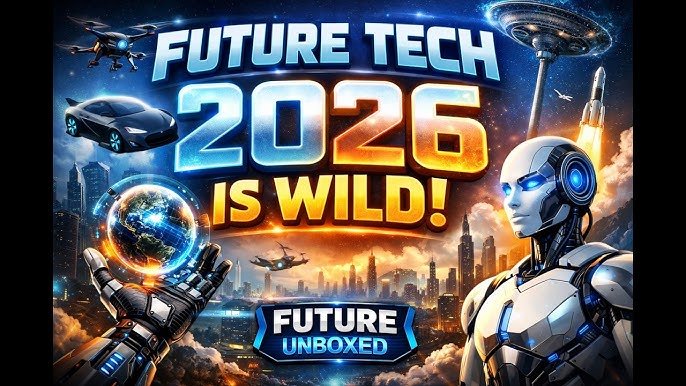

Technology is evolving at an unprecedented pace. From artificial intelligence to space innovation, the world is entering a new era of digital transformation. Understanding future tech is no longer just for engineers or IT professionals — it’s essential for students, entrepreneurs, businesses, and everyday users who want to stay ahead in the digital age.
In this in-depth guide, we’ll explore the most important future technology trends, how they work, and why they matter for society, business, and personal growth.
What Is Future Technology?
Future technology refers to emerging innovations that are currently developing or expected to become mainstream in the coming years. These technologies aim to solve real-world problems, improve efficiency, and create smarter, more connected environments.
Future tech includes advancements in:
- Artificial Intelligence (AI)
- Quantum Computing
- Blockchain Technology
- Biotechnology
- Green Energy
- Autonomous Vehicles
- 5G and Next-Generation Connectivity
- Augmented and Virtual Reality
Let’s explore each of these in detail.
1. Artificial Intelligence (AI) and Machine Learning
Artificial Intelligence is one of the most transformative technologies of the 21st century. Companies like OpenAI, Google, and Microsoft are heavily investing in AI systems that can think, learn, and make decisions.
How AI Is Shaping the Future
AI is already being used in:
- Smart assistants and chatbots
- Medical diagnosis systems
- Fraud detection in banking
- Personalized content recommendations
- Self-driving cars
Machine learning, a subset of AI, allows systems to improve automatically through experience. This means AI will continue becoming smarter over time.
Why AI Matters
AI increases productivity, reduces human error, and automates repetitive tasks. However, it also raises concerns about data privacy and job displacement. Understanding AI helps individuals prepare for future career shifts and opportunities.
2. The Rise of Quantum Computing
Quantum computing is expected to revolutionize computing power. Companies such as IBM and Intel are leading research in quantum technology.
What Makes Quantum Computing Different?
Traditional computers use bits (0s and 1s). Quantum computers use qubits, which can exist in multiple states simultaneously. This allows them to solve extremely complex problems much faster than classical computers.
Future Applications
- Drug discovery and medical research
- Climate modeling
- Financial risk analysis
- Advanced cybersecurity
Quantum computing could reshape industries that rely on heavy data processing.
3. Blockchain and Decentralized Systems
Blockchain technology gained popularity through Bitcoin, but its use extends far beyond cryptocurrency.
How Blockchain Works
Blockchain is a decentralized digital ledger that records transactions securely and transparently. Each transaction is verified and stored in blocks connected in a chain.
Future Uses of Blockchain
- Secure digital identities
- Smart contracts
- Transparent supply chains
- Decentralized finance (DeFi)
- Government record management
Blockchain reduces fraud and increases transparency, making it highly valuable for businesses and governments.
4. 5G and Advanced Connectivity
High-speed connectivity is the backbone of future technology. Telecom companies like Verizon and Huawei are expanding 5G networks worldwide.
Benefits of 5G
- Faster internet speeds
- Lower latency
- Improved mobile gaming
- Enhanced video streaming
- Growth of smart cities
5G enables the Internet of Things (IoT), allowing devices to communicate in real time.
5. Internet of Things (IoT)
IoT refers to connected devices that communicate through the internet. Examples include smart thermostats, wearable devices, and connected home appliances.
Future of IoT
- Smart homes
- Smart healthcare monitoring
- Industrial automation
- Intelligent traffic systems
IoT increases convenience and efficiency while collecting valuable data for analysis.
6. Augmented Reality (AR) and Virtual Reality (VR)
AR and VR are transforming digital experiences. Tech giants like Meta and Apple are investing heavily in immersive technologies.
Applications of AR and VR
- Online education
- Virtual meetings
- Gaming
- Real estate tours
- Medical training
AR enhances the real world with digital overlays, while VR creates fully immersive environments.
7. Green Technology and Sustainable Innovation
Climate change has made sustainability a global priority. Companies like Tesla are promoting electric vehicles and renewable energy solutions.
Emerging Green Tech Trends
- Solar energy improvements
- Battery storage breakthroughs
- Carbon capture technology
- Eco-friendly construction
Green technology reduces environmental impact and supports long-term economic growth.
8. Biotechnology and Genetic Engineering
Biotechnology is advancing rapidly, especially in healthcare. Companies such as Moderna are developing innovative medical solutions.
Future Possibilities
- Personalized medicine
- Gene editing with CRISPR
- Lab-grown organs
- Advanced vaccines
Biotechnology can potentially cure genetic diseases and extend human lifespan.
9. Autonomous Vehicles and Smart Mobility
Self-driving vehicles are becoming more realistic. Companies like Waymo are testing autonomous systems globally.
What to Expect
- Driverless taxis
- Reduced traffic accidents
- AI-based traffic control
- Smart public transport systems
Autonomous vehicles could reshape transportation and city planning.
10. Space Technology and Exploration
Private space companies are accelerating innovation. Organizations like SpaceX are working toward reusable rockets and Mars exploration.
Future Space Innovations
- Commercial space travel
- Satellite internet expansion
- Lunar research missions
- Asteroid mining
Space technology could open new economic opportunities and scientific discoveries.
How Future Technology Impacts Society
Understanding future tech is important because it affects:
1. Jobs and Careers
Automation will replace some roles but create new opportunities in AI development, cybersecurity, data science, and renewable energy.
2. Education
Online learning platforms and immersive AR/VR experiences will transform how students learn.
3. Healthcare
AI diagnostics, wearable devices, and biotech innovations will improve patient care.
4. Business and Economy
Digital transformation allows companies to operate globally and efficiently.
Challenges of Future Technology
While technology offers benefits, it also presents challenges:
- Data privacy concerns
- Cybersecurity threats
- Ethical AI use
- Digital divide issues
- Environmental impact of tech production
Responsible innovation is necessary to balance progress with safety and ethics.
Why Understanding Future Tech Matters
For website owners, entrepreneurs, and tech enthusiasts on apk4r.org, staying informed about future technology trends provides several benefits:
- Identifying business opportunities
- Improving digital skills
- Adapting to industry changes
- Making smarter investment decisions
- Preparing for future careers
Technology is not slowing down — it’s accelerating. Those who understand it will have a competitive advantage.
The Future Is Already Here
Future technology is not something decades away. It is happening right now. Artificial intelligence is answering questions, blockchain is securing transactions, electric vehicles are driving on roads, and rockets are landing back on Earth.
The key is awareness and adaptation.
Whether you’re a student learning new skills, a business owner exploring innovation, or a tech enthusiast reading on apk4r.org, understanding future tech prepares you for the opportunities and challenges ahead.
Conclusion
Understanding future technology means understanding the direction of the world. From AI and quantum computing to green energy and space exploration, emerging technologies will reshape industries and daily life.
The next decade will bring groundbreaking changes. By staying informed, developing digital skills, and embracing innovation, individuals and businesses can thrive in the age of technological transformation.
Future tech is not just about machines — it’s about shaping a smarter, more connected, and more sustainable world.
For more information visit apk4r.org daily .