
In today’s fast-paced digital world, communication is evolving faster than ever. Traditional messaging apps are now being replaced by AI messaging tools, which bring automation, personalization, and intelligence into everyday conversations. Whether for personal use, business communication, or customer service, these tools are redefining how we connect in 2026. In this comprehensive guide, we’ll explore what AI messaging tools are, how they work, their top features, benefits, and how they can help you stay ahead in both professional and personal communication.
What Are AI Messaging Tools?
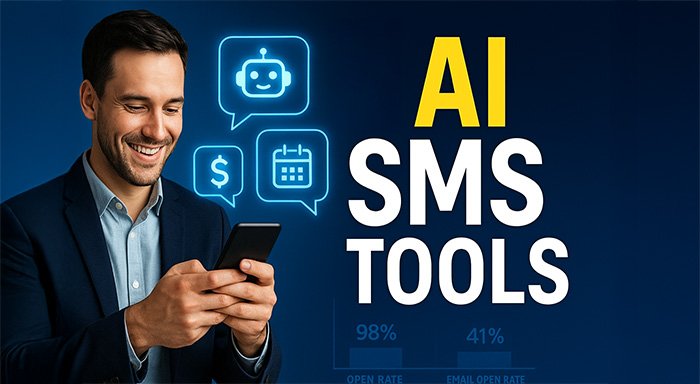
AI messaging tools are software applications that use artificial intelligence to enhance messaging experiences. Unlike traditional messaging apps, these tools can understand natural language, provide automated responses, analyze conversation data, and even predict what the user wants to say next. They are powered by advanced AI algorithms, natural language processing (NLP), and machine learning technologies.
Some of the most popular applications of AI messaging tools include:
- Automating customer support
- Enhancing team collaboration
- Streamlining personal communication
- Integrating with other AI-driven platforms
By leveraging AI, these messaging tools are not just about sending texts—they are about intelligent conversations.
How AI Messaging Tools Work
AI messaging tools work by combining multiple AI technologies to simulate human-like interactions. Here’s a breakdown of the key components:
- Natural Language Processing (NLP)
NLP allows the AI to understand the meaning behind your messages. It helps the system interpret context, detect sentiment, and generate appropriate responses. - Machine Learning
Machine learning algorithms enable AI messaging tools to learn from previous conversations. Over time, the system becomes smarter, understanding preferences, tone, and communication style. - Chatbots & Virtual Assistants
Many AI messaging tools come with integrated chatbots that can handle repetitive tasks, answer FAQs, and provide instant assistance 24/7. - Integration with Other Apps
Modern AI messaging tools can connect with productivity apps, CRMs, and social media platforms to provide a seamless communication experience.
By combining these technologies, AI messaging tools provide a more natural, efficient, and personalized messaging experience.
Top Features of AI Messaging Tools
When choosing an AI messaging tool in 2026, there are several features you should look for:
1. Smart Reply Suggestions
Many AI messaging tools can suggest responses based on the context of your conversation. This feature saves time and ensures faster communication, especially in professional settings.
2. Multi-Platform Support
Leading AI messaging tools work across devices, including smartphones, tablets, desktops, and web apps. This ensures continuity, no matter where you are.
3. Automated Workflows
AI messaging tools can automate repetitive tasks, such as scheduling meetings, sending reminders, or providing updates. This is particularly useful for teams and businesses.
4. Language Translation
Global communication becomes easier with AI messaging tools that offer real-time translation in multiple languages, making it easier to connect across borders.
5. Sentiment Analysis
Advanced AI messaging tools can detect the tone and sentiment of messages. This helps businesses respond appropriately to customers and maintain positive interactions.
6. Data Analytics
AI messaging tools provide insights into messaging patterns, engagement, and user behavior. Businesses can use this data to improve their communication strategies.
Benefits of Using AI Messaging Tools
1. Increased Productivity
By automating routine conversations and suggesting responses, AI messaging tools save time and allow you to focus on high-priority tasks.
2. Enhanced Customer Experience
Businesses can provide faster, more personalized responses to customer inquiries, leading to higher satisfaction rates.
3. 24/7 Availability
AI-powered chatbots can handle messages around the clock, ensuring that queries are addressed even outside working hours.
4. Cost Efficiency
Reducing the need for manual responses and support staff can significantly lower operational costs for businesses.
5. Personalization
AI messaging tools can remember past interactions and preferences, making conversations more personalized and engaging.
Best AI Messaging Tools in 2026
Here are some of the leading AI messaging tools gaining popularity in 2026:
1. ChatGPT for Messaging
Powered by OpenAI, this tool enables natural, human-like conversations and integrates with popular messaging platforms for personal and business use.
2. Google Bard Messaging Assistant
Google’s AI messaging tool focuses on productivity, providing smart suggestions, translation, and seamless integration with Google Workspace.
3. Microsoft Copilot Chat
Designed for business users, this AI messaging tool integrates with Microsoft Teams and Outlook, automating routine tasks and improving communication efficiency.
4. Replika AI
Replika offers conversational AI for personal communication, helping users practice social skills or simply chat in a more intelligent way.
5. Tidio AI Chat
Ideal for small businesses, Tidio combines live chat with AI-powered responses to provide real-time customer support.
How to Choose the Right AI Messaging Tool
Choosing the right AI messaging tool depends on your needs. Consider the following factors:
- Purpose – Are you using it for personal communication, team collaboration, or customer service?
- Ease of Use – The tool should have an intuitive interface and be easy to integrate.
- Compatibility – Check whether it works across your devices and apps.
- Pricing – Evaluate subscription plans and features to ensure value for money.
- Security – Ensure the tool offers data encryption and follows privacy regulations.
AI Messaging Tools in Business
Businesses are increasingly relying on AI messaging tools for customer service, marketing, and internal communication. For instance:
- Customer Support: AI chatbots answer FAQs, reducing wait times and improving customer satisfaction.
- Marketing Campaigns: AI tools can send personalized messages to leads, increasing engagement and conversion rates.
- Team Collaboration: Intelligent messaging platforms streamline project management and internal communication, improving productivity.
By adopting AI messaging tools, businesses can stay competitive and meet the growing demands of customers in 2026.
AI Messaging Tools for Personal Use
AI messaging tools aren’t just for businesses—they also enhance personal communication. Some popular personal applications include:
- Sending automated birthday or anniversary messages
- Language translation for international conversations
- Virtual companions for mental wellness and social engagement
- Smart reminders and notifications
These tools help users stay connected, organized, and more efficient in everyday life.
Challenges of AI Messaging Tools
While AI messaging tools offer many benefits, there are some challenges to consider:
- Privacy Concerns – Sharing personal or business data with AI tools may raise privacy issues. Always choose secure platforms.
- Misinterpretation – AI may misread the context or tone, leading to awkward or incorrect responses.
- Over-Reliance – Relying too heavily on AI can reduce human interaction skills.
Despite these challenges, the advantages of AI messaging tools often outweigh the drawbacks when used responsibly.
Future of AI Messaging Tools
The future of AI messaging tools looks promising. In 2026 and beyond, we can expect:
- Smarter predictive text that anticipates entire conversations
- Deeper personalization based on AI learning from multiple platforms
- Integration with augmented reality (AR) and virtual reality (VR) for immersive communication
- AI tools that can handle multimodal content, including images, videos, and voice messages
These advancements will make AI messaging tools an indispensable part of both personal and professional communication.
Conclusion
AI messaging tools are revolutionizing the way we communicate. From automating business processes to enhancing personal chats, these tools offer efficiency, personalization, and smarter interactions. As AI technology continues to evolve, these tools will become even more integrated into our daily lives, making communication seamless and intelligent.
Whether you are a professional looking to streamline work communication, a business aiming to enhance customer experience, or an individual seeking smarter ways to connect, AI messaging tools are the key to staying ahead in 2026.
Embrace the power of AI in messaging today, and experience a smarter, faster, and more connected world.