
In today’s fast-paced digital world, the way we communicate with technology is evolving rapidly. Gone are the days when typing long prompts into AI chatbots was the only way to get answers or generate content. Enter ChatGPT Voice Apps—a groundbreaking innovation that allows users to interact with artificial intelligence using just their voice. This article explores everything you need to know about ChatGPT voice apps, their benefits, top options, and how they are transforming the AI experience for everyone.
What Are ChatGPT Voice Apps?
ChatGPT Voice Apps are applications that integrate OpenAI’s ChatGPT technology with voice recognition and speech synthesis. These apps allow users to speak their queries or commands instead of typing them. The AI processes the voice input and responds audibly, creating a natural, conversational experience.
Unlike traditional chatbots, these apps offer a more personal, hands-free, and immersive way to interact with AI, making them ideal for multitasking or accessibility purposes.
How ChatGPT Voice Apps Work
ChatGPT voice apps combine several advanced technologies:
- Speech Recognition: The app converts your spoken words into text using AI-powered speech-to-text technology.
- Natural Language Processing (NLP): ChatGPT processes your query in the same way it handles typed inputs, understanding context and intent.
- Text-to-Speech (TTS): The AI converts its textual response back into human-like speech, enabling a seamless audio conversation.
- Cloud Computing: Many voice apps rely on cloud servers to process requests quickly, ensuring responses are accurate and fast.
This combination creates a virtual assistant experience that feels natural and intuitive.
Benefits of Using ChatGPT Voice Apps
Using ChatGPT Voice Apps comes with a host of benefits, making them increasingly popular among users worldwide:
1. Hands-Free Interaction
Whether you are cooking, driving, or exercising, voice apps let you communicate with AI without touching your device. This convenience is especially useful for busy individuals.
2. Enhanced Productivity
Voice interactions save time. Instead of typing out lengthy prompts, you can speak naturally and get instant results, whether it’s answering questions, drafting emails, or generating content.
3. Accessibility
ChatGPT voice apps make AI accessible to people with visual impairments or physical disabilities. Voice commands and audio responses provide an inclusive technology experience.
4. Real-Time Conversations
Unlike text-based chat, voice interactions feel more like a natural conversation. This real-time exchange improves engagement and user satisfaction.
5. Learning and Assistance
Students, professionals, and hobbyists can use voice apps to quickly access information, practice languages, or receive guidance on complex topics without switching screens.
Top ChatGPT Voice Apps You Should Try
Here’s a list of popular ChatGPT voice apps that are redefining AI interaction:
1. VoiceGPT
VoiceGPT is designed for seamless conversations with ChatGPT. Its TTS feature produces clear, human-like responses, making it ideal for daily use.
2. ChatVoice AI
A versatile app that supports both casual and professional queries. ChatVoice AI can assist with writing, research, and even coding through voice commands.
3. TalkAI
TalkAI focuses on productivity. It integrates with calendars, email, and task management apps, allowing voice-driven task completion.
4. SpeechGPT
Known for its accuracy in speech recognition, SpeechGPT ensures minimal errors in interpreting your voice commands. It’s perfect for those who prioritize reliability.
5. AssistantGPT
AssistantGPT combines conversational AI with personal assistant functionalities. It’s excellent for organizing schedules, reminders, and everyday tasks through voice commands.
How to Choose the Right ChatGPT Voice App
Choosing the best ChatGPT voice app depends on your needs. Here are some factors to consider:
1. Accuracy of Voice Recognition
The app should accurately interpret your voice in different accents and environments.
2. Quality of Text-to-Speech
Natural-sounding responses enhance the experience. Check if the TTS voices feel human and clear.
3. Features and Integrations
Some apps offer additional tools like task management, content generation, or integration with other apps, which can be a big advantage.
4. Device Compatibility
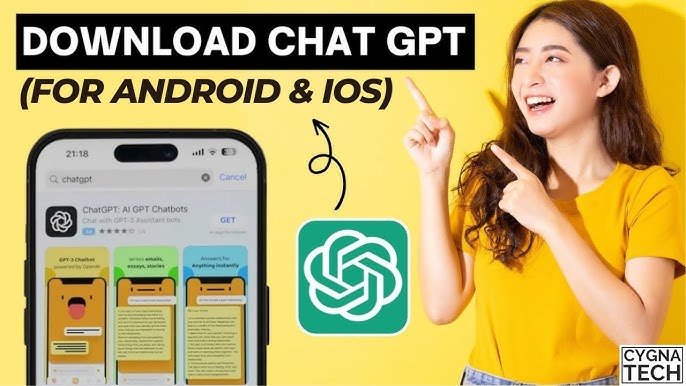
Ensure the app is compatible with your device, whether it’s Android, iOS, or web-based platforms.
5. Privacy and Security
Voice data is sensitive. Opt for apps with strong privacy policies and data encryption.
Practical Uses of ChatGPT Voice Apps
The applications of ChatGPT Voice Apps are diverse. Here are some real-life use cases:
1. Personal Productivity
Schedule meetings, set reminders, and draft emails effortlessly using voice commands.
2. Education
Students can ask questions, get explanations, or practice languages without typing.
3. Content Creation
Writers and marketers can brainstorm ideas or draft articles by speaking directly to the AI.
4. Accessibility
Voice apps help users with disabilities navigate devices, apps, and the internet more effectively.
5. Entertainment
From storytelling to casual conversation, voice apps provide an interactive experience for leisure.
Tips for Using ChatGPT Voice Apps Effectively
To get the most out of ChatGPT voice apps, follow these tips:
- Speak Clearly – Enunciate words to ensure accurate recognition.
- Use Specific Commands – Give clear instructions to get precise answers.
- Limit Background Noise – Voice apps perform better in quiet environments.
- Update Regularly – Keep the app updated for new features and improved AI accuracy.
- Experiment with Settings – Adjust speech speed, voice tone, and language options for a better experience.
Future of ChatGPT Voice Apps
The future of ChatGPT Voice Apps is promising. As AI continues to evolve, we can expect:
- More Natural Conversations – AI voices will become indistinguishable from human voices.
- Multilingual Support – Voice apps will support global languages and dialects.
- Integration with Smart Devices – ChatGPT will power smart homes, wearables, and IoT devices.
- Advanced Personalization – AI will adapt to user preferences, voice patterns, and behavior.
Voice-driven AI is no longer a futuristic concept—it is here, and it is transforming how we interact with technology.
Conclusion
ChatGPT Voice Apps are redefining the way we communicate with artificial intelligence. By combining speech recognition, natural language processing, and text-to-speech technology, these apps offer hands-free, accessible, and efficient interactions. Whether for productivity, learning, accessibility, or entertainment, voice apps provide a versatile solution for modern users.
If you haven’t tried a ChatGPT voice app yet, now is the perfect time to explore this revolutionary way of interacting with AI. From convenience to personalization, the benefits are endless, and the technology is only getting better.
Experience the future of AI communication—one voice command at a time.