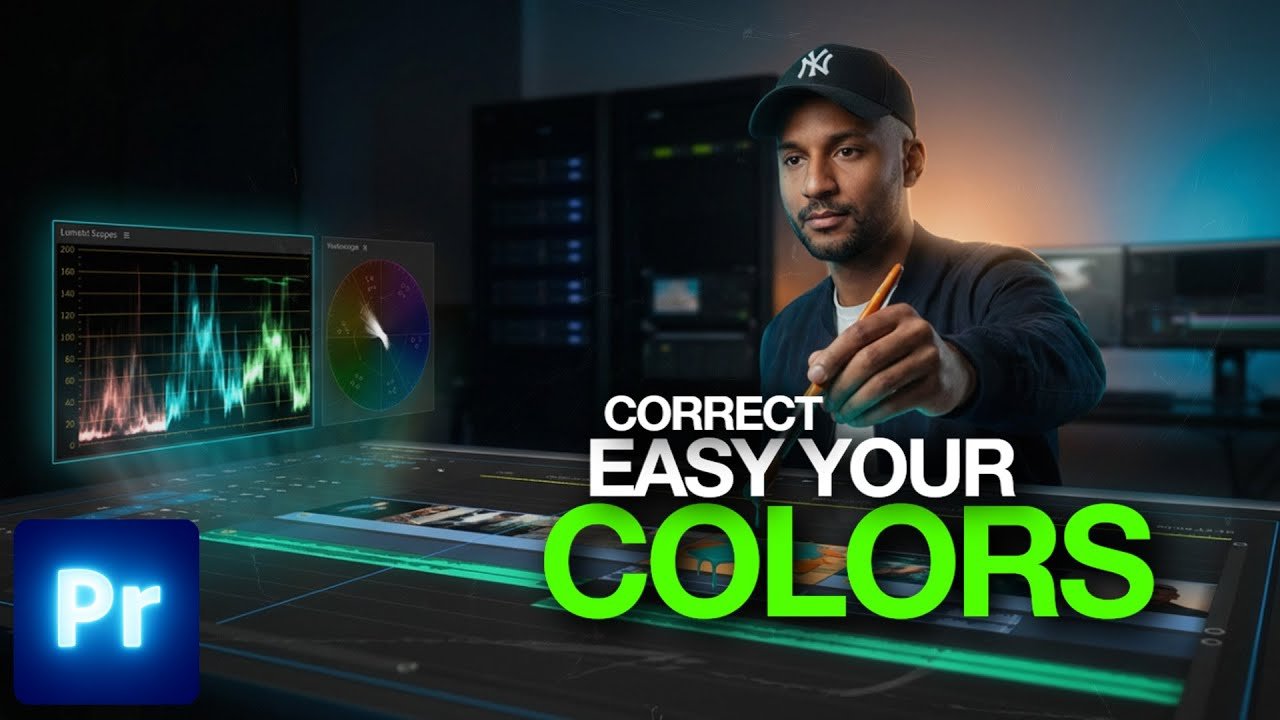

In today’s digital era, visuals dominate our online experiences. Whether you’re a professional photographer, a social media enthusiast, or a casual smartphone user, having the right tools to enhance your images and videos is crucial. Color correction apps have emerged as a game-changer, allowing anyone to adjust colors, brightness, and contrast with precision.
In this guide, we’ll explore the best color correction apps, explain their key features, provide practical tips, and help you choose the perfect tool for your creative needs.
What Are Color Correction Apps?
Color correction apps are software tools designed to adjust and balance the colors in your photos and videos. The goal is to make visuals appear natural, vibrant, or stylized according to your preference.
These apps allow users to:
- Adjust exposure and brightness
- Correct color balance (temperature and tint)
- Enhance shadows and highlights
- Apply filters or presets for specific moods
- Fix color inconsistencies in videos or batch photos
For instance, if a photo looks too yellow or washed out, a color correction app can bring it back to life by adjusting the white balance and saturation.
Why Use Color Correction Apps?
Color correction is not just for professionals. Here are the top reasons to use these apps:
1. Improve Photo and Video Quality
Even a perfectly captured image can look dull if the colors are off. Color correction apps enhance visual appeal, making images and videos look professional.
2. Maintain Consistency Across Projects
For content creators, maintaining a consistent color theme across photos, videos, and social media posts is vital. These apps help achieve that consistency with ease.
3. Correct Lighting Issues
Photos taken in poor lighting conditions often appear too dark, too bright, or uneven. Color correction apps fix these issues without needing expensive equipment.
4. Creative Freedom
These apps allow artistic experimentation. You can create cinematic moods, retro styles, or vibrant themes without complex software like Photoshop.
Top Features to Look for in Color Correction Apps
When choosing a color correction app, consider the following features:
1. User-Friendly Interface
Even if you’re a beginner, the app should be easy to navigate. Look for intuitive sliders, one-click presets, and clear labeling.
2. Advanced Editing Tools
Professional-grade tools like HSL (Hue, Saturation, Luminance), curves, and selective color adjustments allow precise control over your visuals.
3. Batch Editing
If you work with multiple images or videos, batch editing saves time by applying the same adjustments to all files simultaneously.
4. Compatibility
Ensure the app supports your device and integrates with other apps or cloud services for seamless workflow.
5. Export Options
High-resolution export without loss of quality is essential, especially for social media, portfolios, or professional projects.
Best Color Correction Apps for 2026
Here’s a curated list of top color correction apps that are highly rated for their functionality and ease of use:
1. Adobe Lightroom
Adobe Lightroom is a professional photo editing app that offers advanced color correction tools. With features like curves, HSL sliders, and presets, it allows precise color adjustments. Its mobile version is optimized for smartphones and is beginner-friendly.
Key Features:
- Selective color correction
- Preset filters for consistent color grading
- RAW photo editing
2. Snapseed
Developed by Google, Snapseed is free and offers a range of color correction tools. It’s perfect for both beginners and advanced users.
Key Features:
- White balance adjustment
- Curves and levels tools
- Selective editing for specific areas
3. VSCO
VSCO combines editing and social sharing. Its color correction features are excellent for stylized photography.
Key Features:
- Film-inspired filters
- HSL and exposure adjustments
- Batch editing support
4. DaVinci Resolve (Mobile Version)
For video editors, DaVinci Resolve mobile version offers professional color correction tools. It’s ideal for filmmakers looking to achieve cinematic quality.
Key Features:
- Color wheels and curves
- LUT support for color grading
- Advanced video export options
5. Lightroom Mobile
Adobe’s mobile app mirrors the desktop experience, with professional tools optimized for touch devices. Perfect for photographers on the go.
Key Features:
- Preset integration
- Local adjustments using selective brushes
- Cloud syncing
How to Effectively Use Color Correction Apps
Even the best apps are ineffective if used incorrectly. Here’s a step-by-step guide to color correcting your visuals:
Step 1: Adjust White Balance
White balance ensures colors look natural. Start by correcting any color cast (too yellow, blue, or green). Most apps offer automatic white balance correction.
Step 2: Tweak Exposure and Contrast
Brighten dark areas or tone down highlights. Adjust contrast to make your image pop without overdoing it.
Step 3: Refine Colors
Use HSL sliders to adjust individual color intensity. For example, enhance greens in landscape photos or adjust skin tones in portraits.
Step 4: Apply Curves for Precision
Curves allow you to adjust the brightness of shadows, midtones, and highlights separately. This gives a cinematic or professional touch.
Step 5: Final Touches
Add subtle filters, sharpen details, and check consistency across your photos or videos before exporting.
Tips for Choosing the Right Color Correction App
- Identify your needs: Are you editing photos, videos, or both?
- Check reviews and updates: Apps with regular updates ensure better performance and features.
- Consider budget: Many apps are free, but premium apps provide advanced tools and presets.
- Look for tutorials: Apps with learning resources help beginners quickly master color correction.
Common Mistakes to Avoid in Color Correction
Even seasoned users can make errors. Avoid these pitfalls:
- Over-saturation – Too much color can look unnatural.
- Ignoring white balance – Even minor color casts can ruin a photo.
- Neglecting shadows and highlights – Proper balance ensures a professional finish.
- Over-reliance on filters – Filters are helpful but shouldn’t replace manual adjustments.
Benefits of Professional Color Correction
Color correction isn’t just for aesthetics. It also provides:
- Brand consistency: Helps maintain a cohesive look for social media or marketing campaigns.
- Enhanced storytelling: Colors can evoke emotions and set the tone of your visual content.
- Increased engagement: Vibrant and balanced visuals attract more views, likes, and shares.
Color Correction Apps for Different Platforms
iOS
- Lightroom Mobile – Powerful and user-friendly
- VSCO – Best for social media stylization
- Snapseed – Free with advanced editing
Android
- Adobe Lightroom – Professional color grading tools
- Snapseed – Easy-to-use interface
- PicsArt – Creative adjustments and filters
Desktop
- Adobe Photoshop – Industry-standard for advanced editing
- DaVinci Resolve – Professional video color correction
- Capture One – Best for RAW image processing
Conclusion
In 2026, color correction apps are essential tools for anyone looking to create professional, eye-catching visuals. From casual photo edits to cinematic video grading, these apps provide unmatched flexibility and precision.
By choosing the right app, understanding key features, and avoiding common mistakes, you can elevate your creative projects, maintain brand consistency, and engage your audience effectively.
Whether you’re a beginner or a professional, mastering color correction will transform the way you present your visuals. So, download one of these apps, experiment with colors, and watch your photos and videos come to life!