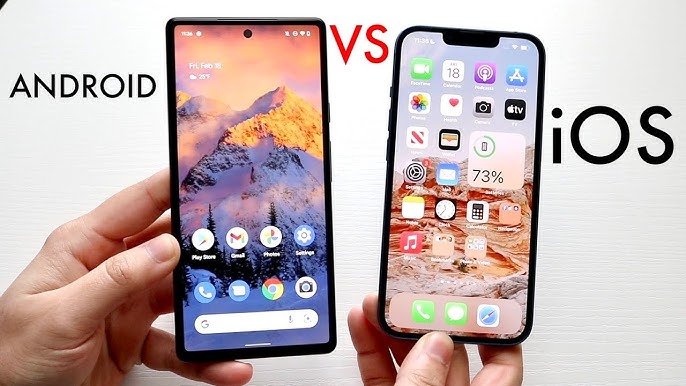

When it comes to smartphones, Android and iOS are the two most popular mobile operating systems in the world. Millions of users rely on them every day for communication, entertainment, work, and productivity. But a common question many people ask is: What is the difference between Android and iOS, and which one is better?
In this detailed guide, we will compare Android vs iOS based on features, performance, customization, security, apps, pricing, and overall user experience to help you choose the right platform.
What Is Android?
Android is an open-source mobile operating system developed by Google. It is used by many smartphone brands such as Samsung, Xiaomi, Oppo, Vivo, Realme, OnePlus, and more.
Key Features of Android:
- Open-source platform
- Highly customizable
- Available on devices of all price ranges
- Supports third-party apps and APK files
- Strong Google ecosystem integration
What Is iOS?
iOS is a closed-source mobile operating system developed by Apple. It runs exclusively on Apple devices such as iPhone, iPad, and iPod Touch.
Key Features of iOS:
- Smooth and optimized performance
- Strong security and privacy
- Premium user experience
- Seamless Apple ecosystem
- Regular and long-term updates
Android vs iOS: Key Differences Explained
Let’s break down the major differences between Android and iOS.
1. User Interface & Customization
Android:
Android offers full customization freedom. You can:
- Change launchers
- Use custom themes
- Install icon packs
- Customize widgets freely
Android is perfect for users who like control and personalization.
iOS:
iOS focuses on simplicity and consistency. Customization options are limited compared to Android, but the interface is clean, smooth, and easy to use.
Winner: Android 🏆 (for customization lovers)
2. Performance & Speed
Android:
Performance depends on the device brand and hardware. High-end Android phones perform exceptionally well, but low-budget devices may lag over time.
iOS:
Apple designs both hardware and software, resulting in excellent optimization. Even older iPhones perform smoothly with new updates.
Winner: iOS 🏆 (for smooth performance)
3. App Store & App Availability
Android (Google Play Store):
- Millions of apps available
- Supports third-party app stores
- Allows APK installation
iOS (Apple App Store):
- Strict app review process
- Fewer low-quality apps
- More polished and secure apps
Winner: Tie 🤝
(Android for freedom, iOS for quality)
4. Security & Privacy
Android:
Android has improved security significantly, but because it allows third-party apps and APKs, it can be more vulnerable if users are careless.
iOS:
Apple is known for strong security and privacy. Apps require strict permissions, and Apple limits data tracking.
Winner: iOS 🏆 (best for privacy)
5. Software Updates
Android:
Updates depend on the manufacturer. Some brands are slow in providing updates, especially for budget phones.
iOS:
Apple provides long-term updates to all supported devices at the same time.
Winner: iOS 🏆
6. Device Variety & Pricing
Android:
Android phones are available in:
- Budget range
- Mid-range
- Flagship category
There is an Android phone for every budget.
iOS:
Apple devices are premium-priced. Even older models are expensive compared to Android phones.
Winner: Android 🏆 (budget-friendly)
7. Battery & Charging
Android:
- Fast charging support
- Wide battery capacity options
- Reverse charging on some devices
iOS:
- Optimized battery usage
- Slower charging compared to Android
Winner: Android 🏆
8. Ecosystem & Compatibility
Android:
Works well with Windows, smart TVs, smartwatches, and various third-party devices.
iOS:
Apple ecosystem (iPhone, MacBook, Apple Watch, AirPods) offers seamless integration, but only within Apple products.
Winner: Depends on usage
- Apple users → iOS
- Mixed devices → Android
Android vs iOS: Comparison Table
| Feature | Android | iOS |
|---|---|---|
| Customization | High | Limited |
| Security | Good | Excellent |
| App Freedom | High | Restricted |
| Updates | Brand-dependent | Regular |
| Pricing | Affordable to premium | Expensive |
| Performance | Varies | Consistent |
Which Is Better: Android or iOS?
The answer depends on your needs.
Choose Android If:
- You want customization
- You prefer affordable phones
- You like installing APKs and mod apps
- You want flexibility
Choose iOS If:
- You value privacy and security
- You want smooth performance
- You are already in the Apple ecosystem
- You prefer long-term updates
Final Verdict
There is no clear winner between Android and iOS. Both platforms are powerful, reliable, and user-friendly. Android is best for freedom and customization, while iOS excels in security, performance, and long-term support.
Before choosing, consider your budget, usage style, and personal preference.
🔹 Conclusion
Whether you choose Android or iOS, both offer excellent smartphone experiences. The best choice is the one that fits your lifestyle and needs.