
In today’s digital world, software plays a crucial role in almost every aspect of our lives. From smartphones and laptops to businesses and online creators, everyone depends on software to work faster, smarter, and more efficiently. One of the most common questions users ask is:
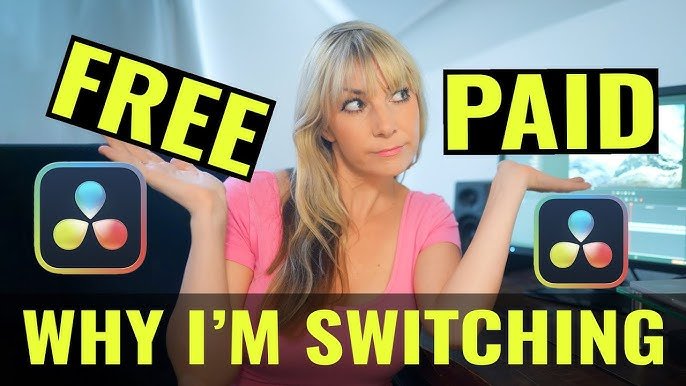
Should I use free software or paid software?
With thousands of free apps, open-source tools, and premium paid software available online, choosing the right option can be confusing. Both free and paid software have their own advantages and limitations, and the best choice depends on your needs, budget, and goals.
In this detailed guide by apk4r.org, we’ll explore Free vs Paid Software, compare their features, pros and cons, security, performance, and help you decide which one is right for you.
What Is Free Software?
Free software refers to programs or applications that can be downloaded and used without paying money. These tools may be completely free forever or offer basic features for free.
Types of Free Software
- Freeware
Software that is free to use but usually closed-source.
Example: VLC Media Player, Google Chrome - Open-Source Software
Software whose source code is publicly available and can be modified.
Example: Linux, GIMP, LibreOffice - Freemium Software
Basic version is free, but advanced features require payment.
Example: Canva, Spotify, Grammarly
What Is Paid Software?
Paid software requires users to purchase a license or subscription to access its features. These tools are usually developed by companies offering professional support, frequent updates, and advanced functionalities.
Types of Paid Software
- One-Time Purchase Software
Pay once and use forever (with limited updates).
Example: Older versions of Microsoft Office - Subscription-Based Software
Monthly or yearly payments required.
Example: Adobe Creative Cloud, Microsoft 365
Key Differences Between Free and Paid Software
| Feature | Free Software | Paid Software |
|---|---|---|
| Cost | Free | Requires payment |
| Features | Limited or basic | Advanced & professional |
| Support | Community or none | Dedicated customer support |
| Updates | Irregular | Regular & reliable |
| Security | Depends on source | Usually more secure |
| Ads | Often included | Mostly ad-free |
Advantages of Free Software
1. No Cost Involved
The biggest benefit of free software is that it costs nothing. This is perfect for students, beginners, and users with limited budgets.
2. Easy Accessibility
Free software can be downloaded instantly without payment barriers, credit cards, or subscriptions.
3. Open-Source Flexibility
Many free tools are open-source, allowing developers to customize and improve the software according to their needs.
4. Large Community Support
Popular free software often has large online communities, forums, and tutorials.
5. Great for Basic Tasks
For everyday tasks like browsing, media playback, note-taking, or light editing, free software is usually more than enough.
Disadvantages of Free Software
1. Limited Features
Free versions often lack advanced tools that professionals need.
2. Ads and Watermarks
Many free apps include advertisements or add watermarks to exported files.
3. Security Risks
Some free software, especially APK files from untrusted sources, may contain malware or spyware.
4. No Official Support
If something goes wrong, you may have to rely on forums instead of professional help.
5. Uncertain Updates
Free tools may stop receiving updates or be discontinued without notice.
Advantages of Paid Software
1. Advanced Features
Paid software usually offers powerful tools designed for professional and business use.
2. Better Performance
Optimized code, better stability, and faster performance are common benefits.
3. Strong Security
Paid software is regularly updated with security patches and bug fixes.
4. Dedicated Customer Support
Users get official technical support, live chat, or email assistance.
5. Ad-Free Experience
Most paid tools offer a clean, distraction-free interface.
Disadvantages of Paid Software
1. Cost
Subscriptions and licenses can be expensive, especially for students or small businesses.
2. Recurring Payments
Many modern tools require monthly or yearly subscriptions.
3. License Restrictions
Some paid software limits usage to specific devices or users.
4. Overkill for Casual Users
Advanced features may be unnecessary for basic users.
Free Software vs Paid Software: Which Is Better for You?
Choose Free Software If:
- You have a limited budget
- You are a beginner or student
- You need software for basic or occasional use
- You prefer open-source tools
- You are testing before upgrading
Choose Paid Software If:
- You are a professional or business owner
- You need advanced features and reliability
- Security and data protection are critical
- You want official customer support
- You value productivity and time savings
Free vs Paid Software for Different Users
For Students
Free software like LibreOffice, Google Docs, and GIMP is usually enough. Paid tools may be useful for specialized courses.
For Gamers
Free games are good for casual play, but paid games offer better graphics, gameplay, and support.
For Content Creators
Free tools work for beginners, but paid software like Adobe Premiere Pro or Photoshop is better for professional results.
For Businesses
Paid software is often the better choice due to security, scalability, and support.
Is Modded or Cracked Paid Software a Good Alternative?
Many users search for mod APKs or cracked software, but this comes with serious risks:
- Malware and viruses
- Data theft
- Legal issues
- No updates or support
At apk4r.org, we strongly recommend using legal and trusted software sources for safety and reliability.
Can Free Software Replace Paid Software?
In many cases, yes. Open-source tools have improved significantly and can replace paid alternatives for most users. However, for high-end professional work, paid software still leads in performance and features.
Final Verdict: Free vs Paid Software
There is no one-size-fits-all answer.
- Free software is excellent for beginners, students, and casual users.
- Paid software is ideal for professionals, businesses, and users who need advanced tools and reliability.
The smartest approach is to start with free software, understand your needs, and upgrade to paid options only when necessary.
Conclusion
Choosing between free and paid software depends on your budget, goals, and usage level. Both options have their place in the digital ecosystem. Free software offers accessibility and flexibility, while paid software delivers power, security, and professional support.
At apk4r.org, we aim to help you make informed tech decisions by providing honest reviews, comparisons, and guides. Whether you choose free or paid software, always download from trusted sources and prioritize security.