
Technology has become an inseparable part of our daily lives. From the moment we wake up to the time we go to sleep, technology influences how we communicate, work, learn, shop, and entertain ourselves. Over the past decade, rapid advancements in digital tools, smartphones, artificial intelligence, and the internet have completely transformed everyday life. Today, technology is not just a convenience—it is a necessity.
In this article, we will explore how technology is changing everyday life, its impact on different areas, and what the future may look like as innovation continues to grow.
The Role of Technology in Modern Life
Technology refers to the tools, systems, and devices created to solve problems and make life easier. Modern technology includes smartphones, computers, smart devices, artificial intelligence, cloud computing, and high-speed internet.
Thanks to technology, tasks that once took hours can now be completed in seconds. Whether it’s sending a message, paying bills, or accessing information, everything is just a click away.
How Technology Has Changed Communication
Instant Communication
One of the biggest changes technology has brought is in communication. In the past, people relied on letters or landline phones. Today, instant messaging apps, emails, video calls, and social media allow people to connect globally in real time.
Platforms like WhatsApp, Zoom, and social media networks make it easy to stay in touch with family, friends, and colleagues—no matter where they are.
Social Media Influence
Social media has changed how people share information and express opinions. It helps businesses grow, influencers build careers, and individuals stay informed about global events.
However, it also highlights the importance of responsible usage to avoid misinformation and excessive screen time.
Technology in Education and Learning
Online Learning and Digital Classrooms
Technology has revolutionized education. Online courses, e-learning platforms, and digital classrooms have made education accessible to everyone. Students can now learn from top institutions without leaving their homes.
Platforms offering video lessons, quizzes, and certifications help learners improve skills at their own pace.
Smart Learning Tools
Artificial intelligence and smart apps personalize learning experiences. Students receive recommendations based on their progress, making learning more effective and engaging.
Technology has also helped teachers manage classes, track performance, and communicate better with students and parents.
How Technology Is Transforming Work and Business
Remote Work and Freelancing
Technology has changed traditional work culture. Remote work and freelancing are now common, allowing people to work from anywhere using laptops and internet connections.
This flexibility improves work-life balance and opens global job opportunities.
Automation and Artificial Intelligence
Automation and AI have increased efficiency in businesses. Tasks like data analysis, customer support, and inventory management can now be handled by smart systems.
While automation reduces manual work, it also creates new job roles that require digital skills.
Technology in Healthcare
Improved Medical Services
Technology has greatly improved healthcare services. Advanced medical equipment, digital records, and telemedicine allow doctors to diagnose and treat patients more effectively.
Patients can consult doctors online, book appointments, and access health information easily.
Wearable Health Devices
Smartwatches and fitness trackers help people monitor heart rate, sleep patterns, steps, and calories. These devices encourage healthier lifestyles and early detection of health issues.
Impact of Technology on Daily Lifestyle
Smart Homes and Devices
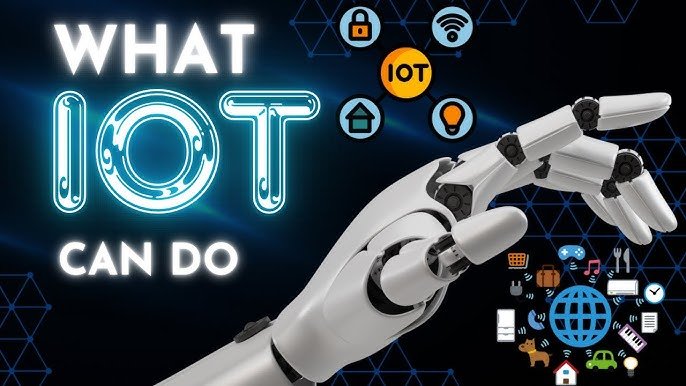
Smart home technology is changing how people live. Devices like smart lights, security cameras, and voice assistants improve comfort, safety, and energy efficiency.
Users can control their homes using smartphones or voice commands.
Online Shopping and Digital Payments
Technology has transformed shopping habits. Online shopping platforms offer convenience, variety, and competitive prices. Digital payment methods make transactions faster and more secure.
Cashless payments, mobile wallets, and online banking save time and reduce the need for physical cash.
Technology and Entertainment
Streaming and Digital Media
Entertainment has gone digital. Streaming services allow users to watch movies, TV shows, and videos anytime, anywhere.
Gaming has also evolved with online multiplayer games, virtual reality, and cloud gaming services.
Content Creation
Technology has enabled anyone to become a content creator. Blogs, videos, podcasts, and social media content help people share creativity and earn income online.
The Role of Artificial Intelligence in Everyday Life
Artificial Intelligence (AI) is becoming part of everyday activities. From voice assistants to recommendation systems, AI helps personalize user experiences.
AI-powered tools assist in:
- Writing and content creation
- Image and video editing
- Customer support chatbots
- Data analysis
As AI continues to evolve, its impact on daily life will grow even more.
Technology and Transportation
Technology has improved transportation systems. GPS navigation, ride-sharing apps, and electric vehicles make travel more efficient and eco-friendly.
Smart traffic systems reduce congestion, while self-driving vehicle research promises safer roads in the future.
Advantages of Technology in Everyday Life
- Saves time and effort
- Improves communication and connectivity
- Enhances learning and skill development
- Boosts productivity and efficiency
- Provides access to information and services
Technology empowers individuals and businesses to achieve more with fewer resources.
Challenges and Disadvantages of Technology
Despite its benefits, technology also presents challenges:
- Increased screen time and digital addiction
- Privacy and data security concerns
- Job displacement due to automation
- Dependence on technology
Responsible usage and digital awareness are essential to overcome these challenges.
The Future of Technology in Daily Life
The future of technology looks promising. Innovations like artificial intelligence, augmented reality, blockchain, and smart cities will further change everyday life.
As technology advances, it will focus more on sustainability, efficiency, and improving human experiences.
How to Adapt to a Technology-Driven Life
To stay updated in a technology-driven world:
- Learn digital skills
- Stay informed about new trends
- Use technology responsibly
- Balance online and offline life
Adapting to change ensures personal growth and success in the digital age.
Conclusion
Technology is changing everyday life in ways we never imagined. It has transformed communication, education, work, healthcare, and entertainment. While technology brings convenience and innovation, it also requires responsible use.
As we move forward, embracing technology wisely will help us build a smarter, more connected, and more efficient world. Understanding how technology impacts daily life allows individuals to use it effectively and prepare for the future.