
The Internet of Things (IoT) is one of the fastest-growing technologies in today’s digital world. From smart homes to connected cars, IoT is changing how we live, work, and interact with technology. If you’re new to this concept, don’t worry. This simple guide for beginners will help you understand what IoT is, how it works, and why it matters.
What Is the Internet of Things (IoT)?
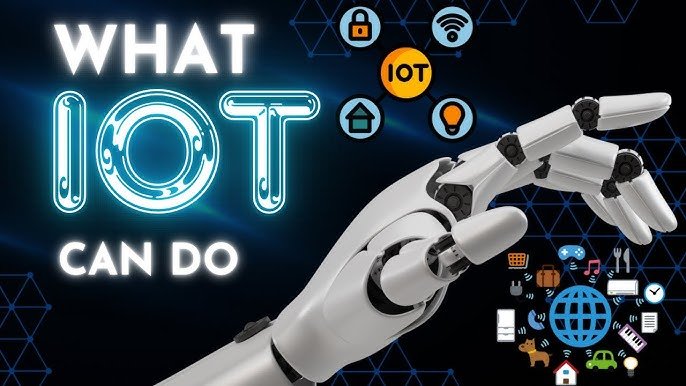
The Internet of Things (IoT) refers to a network of physical devices that are connected to the internet. These devices collect and share data without needing human interaction. Examples include smart TVs, fitness trackers, smart refrigerators, security cameras, and even smart street lights.
In simple words, IoT allows everyday objects to “talk” to each other using the internet.
How Does IoT Work?
IoT works using three main components:
- Devices (Things)
These are physical objects like sensors, smartphones, smartwatches, or home appliances that collect data. - Internet Connectivity
The collected data is sent to the cloud using Wi-Fi, mobile networks, or Bluetooth. - Data Processing & Action
The system analyzes the data and performs an action. For example, a smart thermostat adjusts room temperature automatically.
This process happens in seconds, making IoT fast and efficient.
Common Examples of IoT in Daily Life
IoT is already part of our everyday routine, even if we don’t notice it. Some popular examples include:
- Smart Homes: Smart lights, door locks, and voice assistants like Alexa
- Wearable Devices: Fitness bands and smartwatches
- Smart Cars: GPS tracking, parking assistance, and safety alerts
- Healthcare IoT: Heart rate monitors and remote patient care
- Smart Cities: Traffic control systems and smart energy meters
These technologies help save time, improve safety, and increase convenience.
Benefits of IoT Technology
IoT offers many advantages for individuals and businesses:
- Automation: Devices work automatically without manual effort
- Time Saving: Faster decision-making using real-time data
- Cost Efficiency: Reduces energy and maintenance costs
- Improved Safety: Smart alarms and monitoring systems
- Better User Experience: Personalized services and comfort
Because of these benefits, IoT adoption is growing rapidly worldwide.
Challenges and Security Concerns
While IoT is useful, it also comes with some challenges:
- Data Privacy Issues: Personal data may be exposed
- Security Risks: Hackers can target connected devices
- Compatibility Problems: Different devices may not work together
- Internet Dependency: IoT devices require a stable connection
To stay safe, users should always update devices, use strong passwords, and buy products from trusted brands.
Future of the Internet of Things
The future of IoT looks very promising. Experts believe that billions of devices will be connected in the coming years. IoT will play a major role in AI integration, smart healthcare, smart agriculture, and industrial automation.
As technology advances, IoT systems will become smarter, faster, and more secure, creating new job opportunities and improving digital lifestyles.
Conclusion
The Internet of Things (IoT) is transforming the modern world by connecting everyday devices to the internet. For beginners, understanding IoT is important because it is shaping the future of technology. From smart homes to healthcare solutions, IoT makes life easier, safer, and more efficient.
If you are interested in technology and innovation, learning about IoT is a great place to start.