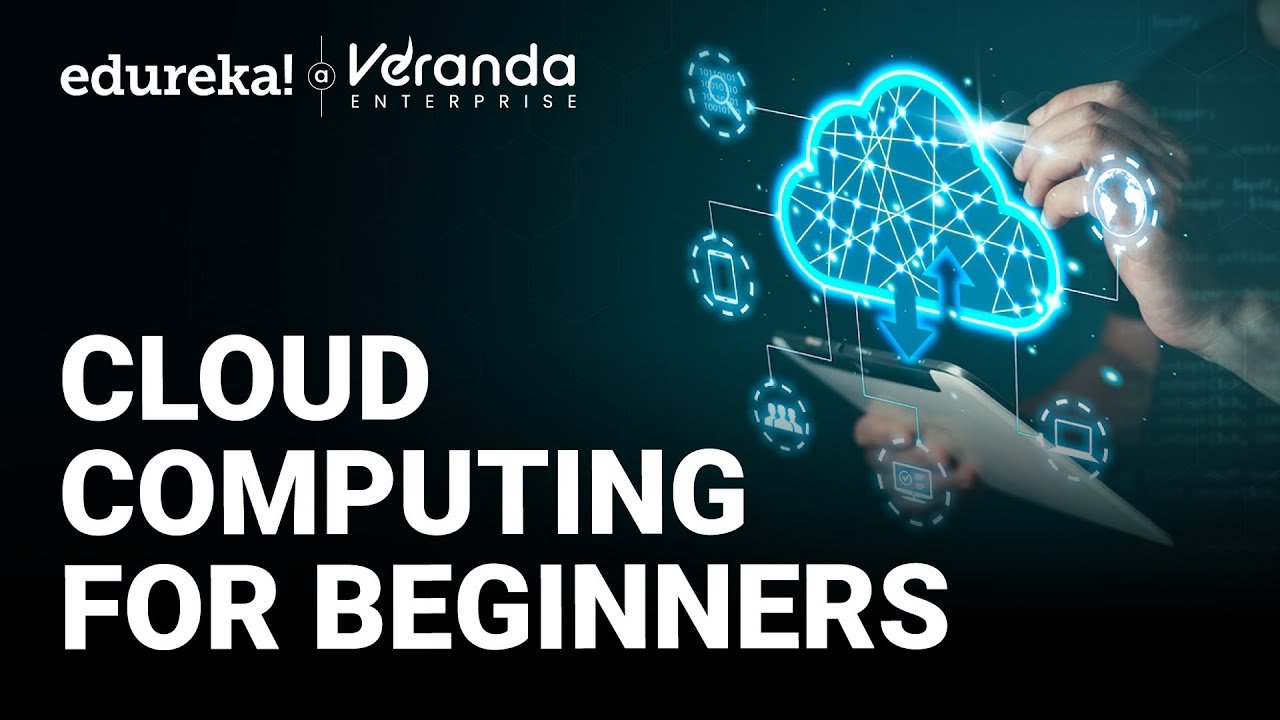

In today’s digital world, you often hear terms like cloud storage, cloud servers, or cloud computing. From saving photos online to streaming movies and using mobile apps, cloud computing plays a major role behind the scenes. But what exactly is cloud computing, and why is it so important?
This beginner-friendly guide explains what cloud computing is, how it works, its types, benefits, and real-life examples—all in simple language.
What Is Cloud Computing?
Cloud computing means using the internet to access computing services like storage, servers, databases, software, and processing power instead of relying on your personal computer or local server.
Instead of installing software or storing files on your device, everything is stored on remote servers (the cloud) and can be accessed anytime, anywhere with an internet connection.
Simple Example:
When you save photos to Google Drive instead of your phone’s storage, you are using cloud computing.
How Does Cloud Computing Work?
Cloud computing works through a network of powerful computers called data centers. These data centers are owned and managed by cloud service providers.
Here’s how it works step by step:
- You connect to the internet
- You access a cloud service (app, website, or storage)
- Your data is processed on remote servers
- Results are sent back to your device
Your device only displays the information—it doesn’t do heavy processing.
Why Is Cloud Computing Important?
Cloud computing has changed the way people and businesses use technology. It removes the need for expensive hardware and makes digital services more accessible.
Key Reasons for Its Importance:
- Easy data access from anywhere
- No need for powerful devices
- Lower costs for businesses
- Fast scalability
- Automatic updates
Types of Cloud Computing
There are three main types of cloud computing models:
1. Public Cloud
In a public cloud, services are shared among multiple users over the internet.
Examples:
- Google Drive
- Dropbox
- Amazon Web Services (AWS)
Best for: Individuals, startups, and small businesses
2. Private Cloud
A private cloud is used by only one organization and offers more control and security.
Best for: Large companies and organizations with sensitive data
3. Hybrid Cloud
A hybrid cloud combines both public and private clouds.
Best for: Businesses that need flexibility and enhanced security
Types of Cloud Services
Cloud computing offers different service models depending on user needs.
1. Infrastructure as a Service (IaaS)
Provides virtual servers, storage, and networks.
Example: AWS EC2
2. Platform as a Service (PaaS)
Provides tools for developers to build applications.
Example: Google App Engine
3. Software as a Service (SaaS)
Provides ready-to-use software via the internet.
Examples:
- Gmail
- Netflix
- Zoom
Real-Life Examples of Cloud Computing
You use cloud computing every day, often without realizing it.
- Watching movies on Netflix
- Using WhatsApp or Facebook
- Backing up data to iCloud
- Playing online games
- Using AI tools and online apps
All these services rely on cloud infrastructure.
Benefits of Cloud Computing
Cloud computing offers many advantages for both users and businesses.
1. Cost-Effective
No need to buy expensive hardware or software.
2. Accessibility
Access your data anytime from any device.
3. Scalability
Increase or decrease resources as needed.
4. Data Security
Advanced encryption and backup systems.
5. Automatic Updates
No manual software updates required.
Cloud Computing vs Traditional Computing
| Feature | Cloud Computing | Traditional Computing |
|---|---|---|
| Storage | Online | Local device |
| Cost | Pay-as-you-go | High upfront |
| Access | Anywhere | Limited |
| Maintenance | Provider-managed | User-managed |
Is Cloud Computing Safe?
Yes, cloud computing is generally very secure. Major cloud providers use:
- Data encryption
- Firewalls
- Multi-factor authentication
- Regular security updates
However, users should also protect their accounts by using strong passwords and enabling two-factor authentication.
Common Cloud Computing Myths
Myth 1: Cloud Means Data Is Floating in the Sky
Reality: Data is stored in secure data centers.
Myth 2: Cloud Is Only for Big Companies
Reality: Anyone can use cloud services for free or low cost.
Myth 3: Cloud Is Not Secure
Reality: Cloud security is often stronger than local systems.
Future of Cloud Computing
Cloud computing is growing rapidly with technologies like:
- Artificial Intelligence (AI)
- Internet of Things (IoT)
- Edge Computing
- Machine Learning
- Serverless Computing
In the future, almost every digital service will rely on cloud technology.
Final Thoughts
Cloud computing has become the backbone of modern technology. From mobile apps and AI tools to online storage and business software, the cloud makes digital life faster, easier, and more affordable.
If you are a beginner, understanding cloud computing will help you use technology more effectively and prepare for future tech trends.
FAQs About Cloud Computing
Q1: Do I need technical skills to use cloud computing?
No, most cloud services are user-friendly.
Q2: Is cloud computing free?
Many services offer free plans with limited features.
Q3: Can cloud computing work on mobile phones?
Yes, cloud services work on smartphones, tablets, and computers.